


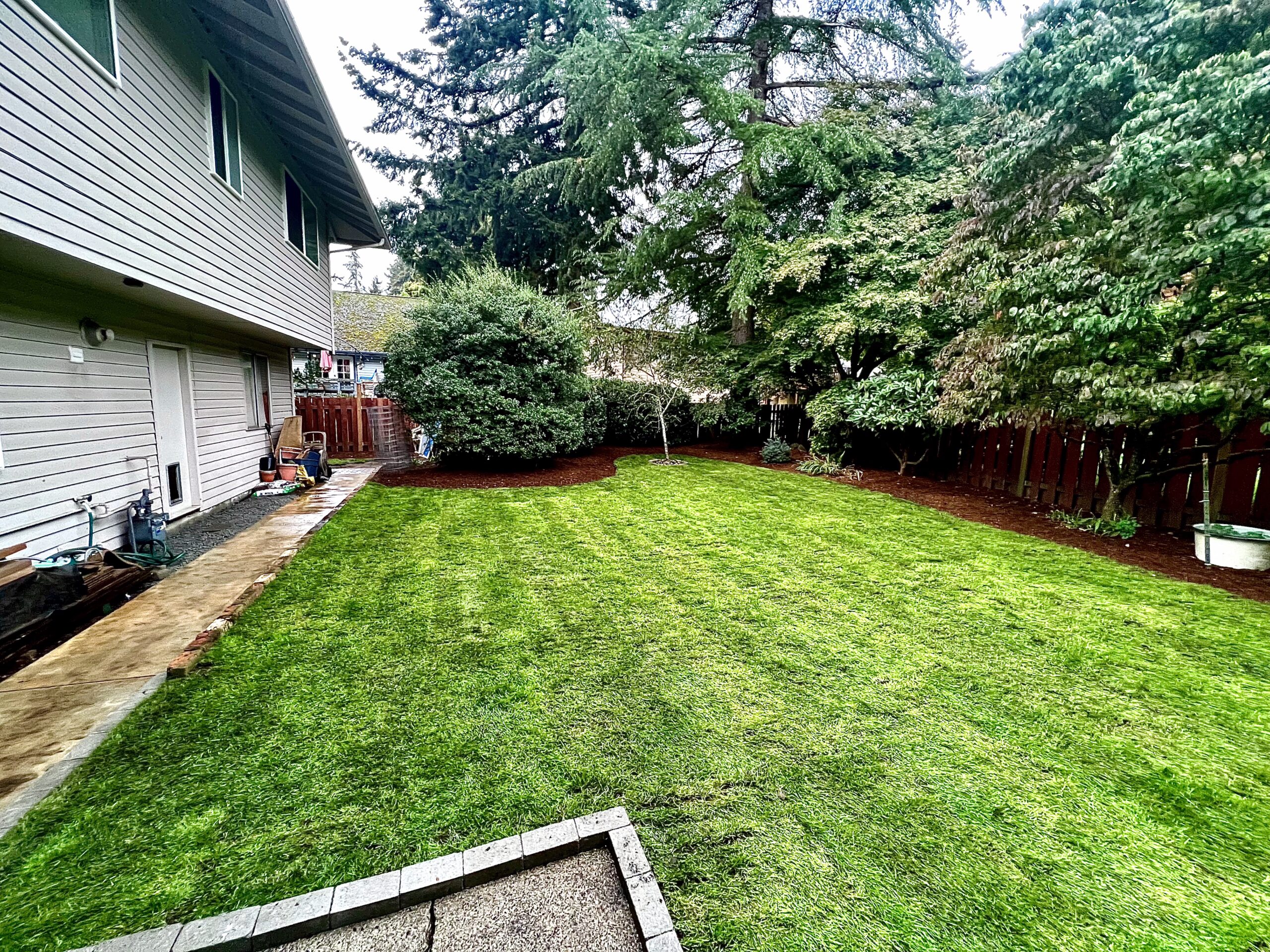
An overgrown yard can quickly become more than an appearance problem. Tall weeds, spreading brush, fallen branches, wet leaves, and neglected shrubs can crowd out healthy plants, conceal potential hazards, and make your outdoor space difficult to use.
These problems are especially common around Redmond, where frequent rain and long growing seasons can cause vegetation to return quickly. Whether your property has been neglected for several months or simply needs a major seasonal reset, the right cleanup plan can restore a safer, cleaner, and more manageable landscape.
Start by Assessing the Entire Property
Before cutting or removing anything, walk through the property and identify the areas that need attention. Look for:
- Overgrown grass and weeds
- Encroaching blackberry vines or brush
- Dead or damaged branches
- Leaves and organic debris covering the lawn
- Shrubs blocking windows or walkways
- Hidden rocks, hoses, edging, or landscape fixtures
- Yard waste left from previous trimming projects
- Water pooling around low spots or clogged drainage areas
Breaking the property into sections makes a large cleanup feel more manageable. It also helps determine which areas can be handled safely and which may require heavier equipment or professional assistance.
Be particularly careful around established trees. The City of Redmond may require a permit before removing certain significant trees, so homeowners should verify local requirements before beginning major tree work.
Remove Loose Debris Before Cutting Vegetation
Begin by collecting fallen branches, sticks, trash, and other loose material. Removing surface debris creates a safer work area and makes it easier to see what is growing underneath.
Wet leaves should also be cleared from lawns, garden beds, walkways, and drainage areas. Thick leaf buildup can restrict sunlight and airflow, contributing to thin grass, muddy areas, and slippery walking surfaces.
Keep landscape debris out of streets, gutters, drainage ditches, and stormwater areas. Leaves and branches can obstruct water flow and contribute to localized flooding during Redmond’s rainy months.
Cut Back Tall Grass and Heavy Weeds Gradually
Severely overgrown grass should not always be cut to its final height in a single pass. Cutting it down gradually reduces stress on the lawn and helps prevent heavy clumps of grass from covering the soil.
Start with a higher mower setting or use a string trimmer to reduce the tallest growth. Once loose clippings have been collected, the lawn can be mowed again at a more appropriate height.
Weeds growing in landscape beds, along fences, and around hardscapes should be removed before they spread further. Whenever possible, remove the roots rather than cutting only the visible portion. This is particularly important for aggressive vines and perennial weeds that can quickly return from established root systems.
Clear Brush, Vines, and Unwanted Growth
Brush clearing is often the most demanding part of an overgrown yard cleanup. Blackberry vines, ivy, volunteer saplings, and dense undergrowth may require specialized cutting tools and protective equipment.
The goal should be to remove unwanted growth while protecting trees, shrubs, fences, irrigation components, and desirable plants. Dense vegetation should be reduced in controlled sections instead of cutting through an entire area without first inspecting what is underneath.
Once the visible growth has been removed, the base and roots may need additional attention. Simply cutting invasive or fast-growing vegetation at ground level often provides only a temporary improvement.
Prune Overgrown Shrubs and Plants
Shrubs that have grown into walkways, siding, windows, or neighboring plants can make a property feel smaller and less maintained. Selective pruning can restore their shape while improving access, airflow, and visibility.
Start by removing dead, damaged, or crossing branches. Then reduce excessive growth without removing too much healthy material at once. Different plants respond best to pruning at different times of the year, so aggressive cutting should be avoided unless the plant’s needs are understood.
If a shrub has become too large for its location or is mostly dead, replacement may be more practical than repeated heavy pruning.
Clean and Redefine Landscape Beds
Once weeds and overgrowth have been removed, clean out dead plants, leaves, sticks, and old landscape material from garden beds. Redefining the bed edges creates a clear separation between the lawn and planted areas, giving the yard an immediate visual improvement.
This is also a good opportunity to identify bare soil, compacted mulch, struggling plants, or drainage problems. Fresh mulch can be added after the cleanup to help suppress new weeds, retain moisture, and give planting areas a finished appearance.
Haul Away Yard Waste
A major yard cleanup can produce far more waste than homeowners expect. Branches, vines, weeds, grass clippings, leaves, and old landscape materials quickly form large, difficult-to-move piles.
Separate ordinary yard debris from rocks, soil, treated lumber, household junk, and other materials that may require different disposal methods. Avoid leaving piles on the lawn for extended periods because wet debris can damage the grass underneath and provide shelter for pests.
Professional cleanup services typically include loading and hauling, eliminating the need to bundle, transport, and dispose of the material yourself.
Inspect the Lawn After the Cleanup
Removing overgrowth often reveals thin grass, bare soil, compacted areas, moss, or drainage concerns that were previously hidden. Not every lawn needs to be replaced after a cleanup.
Depending on its condition, the lawn may benefit from:
- Dethatching
- Core aeration
- Overseeding
- Weed prevention
- Fertilization
- Improved drainage
- Routine mowing and edging
Addressing these underlying conditions helps the property remain healthier after the initial cleanup.
Create a Plan to Prevent the Yard From Becoming Overgrown Again
A one-time cleanup restores the property, but simple ongoing maintenance helps protect that investment. The right schedule depends on the size of the yard, the amount of tree coverage, and how quickly the vegetation grows.
Most properties benefit from regular mowing, periodic weeding, shrub trimming, leaf removal, and seasonal debris cleanup. Yards surrounded by mature trees or fast-growing brush may require more frequent attention during spring and fall.
Even occasional professional maintenance can prevent small tasks from developing into another full-property overhaul.
When Should You Hire a Professional Yard Cleanup Company?
A homeowner may be able to handle a light cleanup, but professional help is often worthwhile when:
- Brush or weeds cover large portions of the property
- Heavy branches or debris need to be hauled away
- Slopes make the work difficult or unsafe
- Specialized cutting equipment is needed
- The property must be cleaned quickly
- Overgrowth conceals fences, walkways, or landscape features
- The amount of yard waste exceeds normal collection capacity
An experienced crew can clear vegetation, remove debris, trim manageable growth, and haul away the waste in a coordinated visit.
Professional Overgrown Yard Cleanup in Redmond, WA
Property Care Northwest provides professional yard cleanup services in Redmond, WA for properties that need anything from a seasonal refresh to a complete outdoor reset.
Our in-house crew handles mowing, weeding, brush removal, trimming, debris clearing, and hauling based on the condition of your property. We are fully licensed, bonded, and insured and have earned more than 80 five-star reviews from local customers.
Contact Property Care Northwest today for a free estimate and let us help you reclaim your outdoor space.
Frequently Asked Questions
What is included in an overgrown yard cleanup?
An overgrown yard cleanup may include mowing tall grass, removing weeds, clearing brush, trimming shrubs, collecting leaves and branches, cleaning landscape beds, and hauling away the resulting debris. The exact scope depends on the property’s condition.
How long does it take to clean up an overgrown yard?
A smaller property may be cleaned in several hours, while heavily overgrown or debris-filled properties may require a full day or multiple visits. Property size, accessibility, vegetation density, and disposal requirements all affect the timeframe.
What is the best time to clean up an overgrown yard in Redmond?
Overgrown yards can be cleaned throughout the year, but spring and early fall generally provide favorable conditions. Homeowners should avoid waiting too long once weeds, brush, or fallen debris begin interfering with walkways, drainage, or healthy landscaping.
Do yard cleanup companies haul away the debris?
Many professional yard cleanup companies offer debris loading and hauling as part of the project. Homeowners should confirm what materials are included and whether soil, rocks, construction waste, or household junk require separate disposal.
Can an overgrown lawn be restored without installing new sod?
Often, yes. Once tall grass, weeds, and debris are removed, an existing lawn may recover through aeration, dethatching, overseeding, fertilization, and consistent maintenance. Severely damaged lawns may require more extensive renovation.