


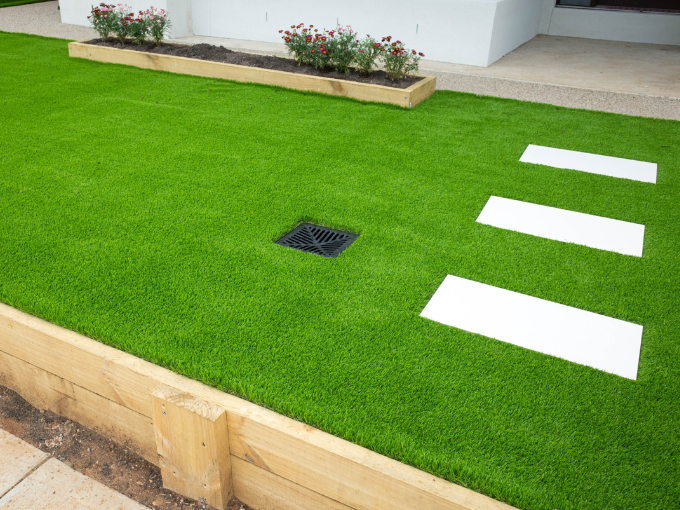
If you are considering artificial turf for your Redmond area home, the turf itself is only half the story. The biggest difference between a turf yard that looks great for years and one that develops puddles, ripples, and odors usually comes down to what is underneath, specifically base preparation and drainage.
In the Pacific Northwest, shortcuts show up fast. A premium turf product can still underperform if the base is thin, poorly compacted, or graded in a way that traps water. If you are actively planning a project and want it done correctly from day one, review what a professional artificial turf installation in Redmond, WA should include.
Why Turf Drainage Matters More in Redmond Than Most Cities
Redmond yards deal with long stretches of rain, saturated soil, and shaded areas that dry slowly, especially along fences, under trees, and on north facing sides of the property. When water cannot move through the system efficiently, you will typically see one or more of the following.
- Pooling water after rain or irrigation
- Soft spots where the base settles unevenly
- Persistent odor issues, especially in pet zones
- Wrinkles or ripples that appear over time
- Moss and organic buildup at edges or low points
Turf is designed to drain through its backing, but it can only drain as well as the base and grading allow. If you are still deciding whether turf is the right choice for your yard, link to your comparison post in a natural sentence like this. Before you commit, review our artificial turf vs natural grass guide to compare upkeep, appearance, and long term performance in the Redmond climate.
What a Proper Artificial Turf Base Includes
A turf base is not simply rock under turf. A professional base system is designed to do three things.
- Create a stable, compacted foundation that will not settle
- Move water through and away from the turf surface
- Support edges and seams so everything stays tight and clean
Here is what that looks like in practice.
Excavation Depth That Matches the Site
Excavation depth should match real conditions on your property, including soil type, existing grade, traffic level, slope, runoff patterns, and edge transitions. In Redmond, one of the most common issues is skipping the step where grade is corrected. If the base is built over existing low spots, the finished turf will still behave like a low spot.
Grading The Step You Do Not See But You Always Notice
Grading is the difference between water that sheds properly and water that sits. Even small dips can become recurring puddles during wet months. A drainage focused installer shapes the base so water flows predictably and avoids collecting along borders, patios, and fence lines.
If you want a simple way to vet this during quoting, ask the contractor to explain how they will confirm and correct grade before turf goes down. Any reputable synthetic grass installer in Redmond should be able to describe their approach clearly.
Base Material Selection Gravel Is Not Specific Enough
Base material should compact tightly while still allowing water to move through consistently. The right base material and the right blend matter because they influence compaction quality, surface stability, drainage rate, and the risk of settling.
If an estimate simply says add gravel without describing material and depth, it is difficult to compare bids fairly because the base system is often where corners get cut.
Compaction The Divider Between Looks Good Today and Still Looks Good Next Year
Compaction prevents the base from changing shape over time. When compaction is rushed or uneven, you get common turf problems such as depressions that hold water, uneven feel underfoot, seams that become visible, and wave patterns after wet weather and temperature swings.
A quality installation typically involves staged compaction. The crew compacts, verifies grade, adds base as needed, then compacts again, rather than compacting only once at the end.
Weed Barrier Helpful But Not a Substitute for Proper Prep
A weed barrier can reduce weed pressure, but it does not fix drainage and it does not prevent settling. Fabric is a supporting layer, not the foundation. If the base is thin or poorly graded, fabric will not prevent puddles or ripples.
When Redmond Turf Projects Need Extra Drainage Planning
Not every yard needs additional drainage components beyond a properly built base, but some properties do. You will want a contractor to address drainage directly if you have any of the following.
- Known low spots or puddles today
- Heavy shade that slows drying
- Downspouts draining into the turf area
- A yard at the bottom of a slope
- Soil that holds water for long periods
- A pet zone where odor control matters
Common Drainage Mistakes That Cause Pooling Odor and Ripples
Mistake One Leaving the Existing Grade Alone
Turf follows the contour beneath it. If the base has dips, the turf will have dips, and dips become puddles. The most common homeowner complaint is that it still pools in the same areas.
Mistake Two Too Thin Base Depth or Wrong Material
If the base depth is inadequate or the material does not compact correctly, settling occurs. Settling leads to the same issues repeatedly, low areas, visible seams, and inconsistent drainage.
Mistake Three Minimal or Uneven Compaction
Redmond wet seasons amplify compaction mistakes. When the base moves, the turf surface changes shape, and problems appear even if the turf product is high quality.
Mistake Four Ignoring Water Sources
A turf system has to handle the water that actually hits it. Downspouts routed into turf without planning can overwhelm drainage performance and create constant saturation in the same area.
Mistake Five Weak Edging and Border Support
Edges are where failures show first. Without proper edging support, the base can drift, causing lifting, gaps at hardscape transitions, and rolling edges that look unfinished.
How to Evaluate an Installer Drainage Plan Redmond Homeowner Checklist
When you are comparing quotes, these questions cut through marketing language quickly.
- How will you verify and correct grade before installation
- What base material will you use and why is it best for my yard
- How deep will you excavate and build the base in this area
- What is your compaction process equipment and steps
- How will you address low spots shade or slope runoff
- How do you secure edges to prevent lifting or settling
- If dogs will use the area, how do you handle drainage and odor control
- What does your workmanship warranty cover related to seams or settling
If the answers are vague, that is usually a signal the plan is generic.
Pet Odor and Drainage Why the Base Matters Even More
If you have dogs, turf performance is not just about drainage. It is about rinse through and preventing urine from lingering in the system. A well built base improves how quickly liquid moves away from the surface, how easy it is to rinse and maintain, and whether odor issues become recurring.
If you publish a pet focused piece later, link it naturally with a sentence like this.
What a Drainage Focused Turf Quote Should Include
A higher quality turf proposal typically includes specifics that low price bids omit, such as the items below.
- Excavation and haul away plan
- Base depth and material specifications
- Grading approach and low spot correction
- Edge details and how borders are secured
- Drainage considerations for slopes and downspouts
- Seam placement approach, especially in visible zones
When comparing estimates, you are not just buying turf. You are buying the system that makes turf perform.
Talk to a Redmond Turf Installer Who Prioritizes Drainage
If you want turf that holds up through wet seasons, evaluate the base and drainage plan, not just the turf sample. The best next step is a site evaluation so you can get a build plan matched to your yard slope, soil, and water flow. Property Care Northwest is the trusted provider for turf installation in the Redmond area and beyond, contact us today for a free quote!
FAQs
How does artificial turf drain in Redmond WA
Artificial turf drains through the backing into the base layer beneath it. In Redmond, proper grading and base preparation are essential. If the base holds water or the grade traps runoff, pooling can still occur.
What causes puddles on artificial turf
Most turf puddling comes from low spots in the grade, inadequate base depth, poor compaction, or unmanaged water sources such as downspouts and slope runoff.
Do you need drainage under artificial turf
You always need correct grading and a properly built base. Some yards with persistent low spots, heavy shade, or slope runoff may also need additional drainage solutions.
What is the best base for artificial turf in wet climates
The best base is one that compacts well, maintains stable grading, and allows water to move through consistently. The ideal material and depth depend on your site conditions.
Can turf be installed over existing grass or soil
It can be, but it is not recommended. Installing directly over grass or uncompacted soil increases the risk of settling, ripples, and drainage issues over time.